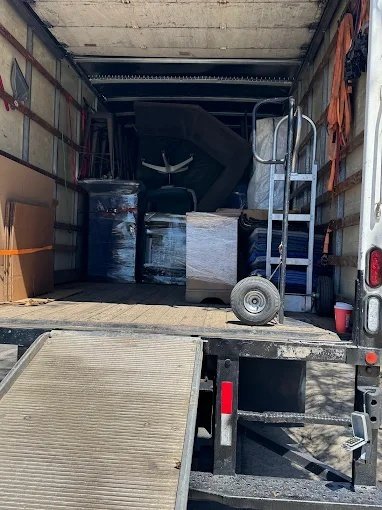
Moving an office is a major step for any business. It involves more than packing boxes and transporting furniture. A successful move requires organization, preparation, and clear communication. Every decision can affect productivity, employee satisfaction, and daily operations. That is why careful planning makes a real difference. A detailed schedule helps reduce stress while keeping the project on track. Whether the business is moving to a larger office or a better location, every step should support a smooth transition. Understanding the key parts of Office Moving helps avoid costly mistakes and unexpected delays. This guide explains what to consider before, during, and after a move so the entire process becomes easier, safer, and more efficient.
1. Start Planning Earlier Than You Think
A successful office move begins long before moving day arrives. Early planning gives enough time to organize tasks, solve unexpected problems, and keep business operations running smoothly. Waiting until the last minute often leads to confusion, missed deadlines, and unnecessary costs. Create a timeline that includes every important task. Assign responsibilities to team members and review progress regularly. Breaking the project into smaller steps makes the move easier to manage.
“A well-planned move creates fewer surprises and better results.”
Important tasks include:
- Set a moving date.
- Create a realistic budget.
- Notify employees early.
- Schedule utility transfers.
- Confirm building access.
- Review insurance coverage.
A strong office moving plan helps everyone understand what needs to happen and when each task should be completed.
2. Create an Organized Office Move Checklist
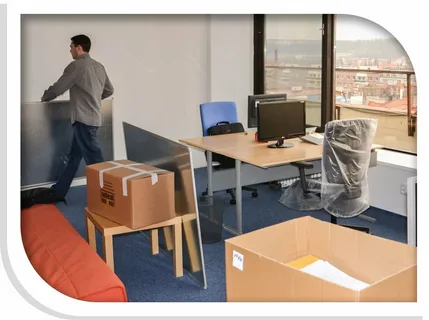
Every successful relocation starts with a clear checklist. An organized office move list keeps important tasks from being forgotten while helping teams stay focused throughout the project. Begin by listing everything that needs attention before moving day. Include office equipment, furniture, technology, documents, and employee workstations. Label boxes clearly so unpacking becomes faster at the new location.
3. Keep Employees Informed Throughout the Process
Employees play an important role during an office relocation. Clear communication helps reduce uncertainty while keeping everyone focused on daily responsibilities. Regular updates also help employees prepare their workspaces before moving day.
Share the moving schedule as early as possible. Explain important dates, packing expectations, and any temporary changes to business operations. Encourage employees to ask questions whenever they need clarification.
“Good communication keeps people confident during times of change.”
Simple updates through meetings or email help everyone stay informed. Employees also appreciate knowing what to expect after arriving at the new office.
When everyone understands the plan, the transition becomes smoother, productivity remains higher, and the entire relocation feels more organized from beginning to end.
4. Organize Furniture, Equipment, and Technology
Office furniture and technology require careful handling during relocation. Computers, servers, printers, and other equipment should be packed securely to prevent damage. Labeling cables and accessories also saves valuable time during setup.
Large furniture should be measured before moving day to ensure it fits through doors, elevators, and hallways at the new location. If older furniture no longer meets business needs, relocation offers a good opportunity to replace or recycle unused items.
Proper office move logistics help coordinate transportation, equipment handling, and workspace setup while reducing delays. Businesses using specialized office moving services in Aurora, CO often prepare detailed inventories to track every item throughout the relocation process.
Careful organization helps employees return to work faster while minimizing interruptions after the move.
Plan Your New Office Layout Before Moving Day
Setting up the new office should begin before the first box arrives. A planned layout helps employees settle in quickly and keeps business operations running smoothly. Decide where workstations, meeting rooms, storage areas, and shared spaces will be located.
Creating a floor plan before moving day helps movers place furniture in the correct locations. Businesses planning office furniture moving services in Denver, CO often map every workspace in advance to reduce setup time.
A thoughtful office layout improves productivity, supports collaboration, and creates a comfortable environment from the first day in the new space.

Protect Important Documents and Business Data
Office moves involve more than desks and equipment. Business records, financial documents, and digital files also need protection. Keeping sensitive information secure should remain a top priority throughout the relocation process.
Back up all important data before disconnecting computers or servers. Store paper records in clearly labeled, secure boxes to prevent loss or confusion. Limiting access to confidential documents also helps protect customer and business information. Strong security practices allow employees to return to work confidently without worrying about missing files or damaged technology after the relocation is complete.
Prepare for Moving Day with a Clear Plan
Moving day becomes much easier when everyone understands their responsibilities. Review the schedule one final time and confirm that all tasks have been completed before transportation begins.
Businesses involved in planning office move projects often prepare emergency contact lists, parking instructions, and building access information ahead of time. Companies using business relocation services in Thornton, CO also benefit from confirming delivery times before trucks arrive. Careful preparation reduces delays, improves teamwork, and helps the relocation stay on schedule from start to finish.
Review Everything After the Move Is Complete
The work does not end after arriving at the new office. Take time to inspect every workspace, piece of equipment, and utility connection before employees resume normal operations. Check that computers, internet service, phones, and printers work correctly. Walk through the building to confirm furniture has been placed in the correct locations. If problems appear, address them immediately before they affect productivity.
This final review also provides an opportunity to update emergency procedures and employee contact information. Using Office Moving best practices during this stage helps identify small issues before they become larger concerns.
A Well-Planned Move Creates a Stronger Start
An office relocation offers more than a change of address. It creates an opportunity to improve organization, increase efficiency, and build a better workspace for employees and customers. Careful preparation, clear communication, and thoughtful planning help reduce stress while keeping business operations on track throughout the process.

Businesses seeking guidance from experienced professionals, including Todd Peters Electric, can also benefit from following proven planning practices that support a smooth and successful transition.
FAQs
1. When should planning for an office move begin?
Planning should begin several months before moving day. Early preparation provides enough time to organize tasks, communicate with employees, and avoid unnecessary delays or unexpected expenses.
2. Why is an office move checklist important?
An office move list helps organize responsibilities, track important deadlines, prevent overlooked tasks, and keep every stage of the relocation running smoothly and efficiently.
3. How can businesses reduce downtime during an office move?
Businesses reduce downtime by planning early, backing up data, labeling equipment, organizing workspaces in advance, and keeping employees informed throughout the entire relocation process.
4. What should be packed first during an office relocation?
Start with non-essential items, archived files, seasonal supplies, and extra office equipment. Daily work essentials should remain available until the final moving stages.
5. What should businesses check after moving into the new office?
Inspect furniture placement, internet service, computers, utilities, phones, security systems, and office equipment to ensure everything functions properly before regular business operations resume.